Right Whales
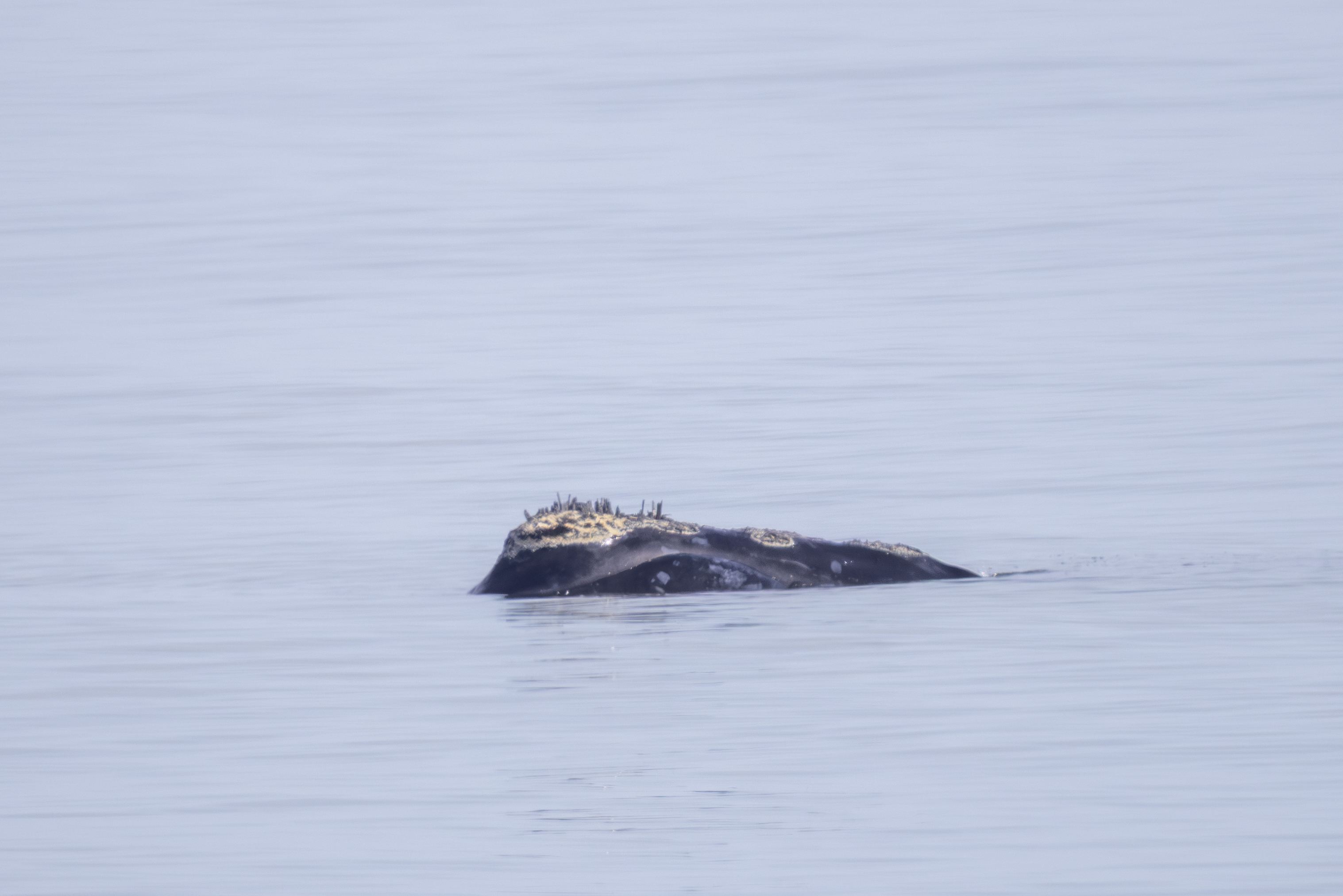
I participate in the right whale survey that takes place from the beginning of January to mid-March. I have been doing this for most of the last 9 years. Ground teams from Ponte Vedra to Ponce Inlet in Florida look for whales every day. This season, 15 right whales were spotted before the official season started and that was more than all the whales seen last year. The official ground surveys started last Tuesday and whales were seen the first 3 days. I was co-guiding a boat tour on Thursday and got the notification of a whale as I got off the boat. One of my boat mates went with me to see the mother/calf pair and we were not disappointed. The water was calm and lovely.
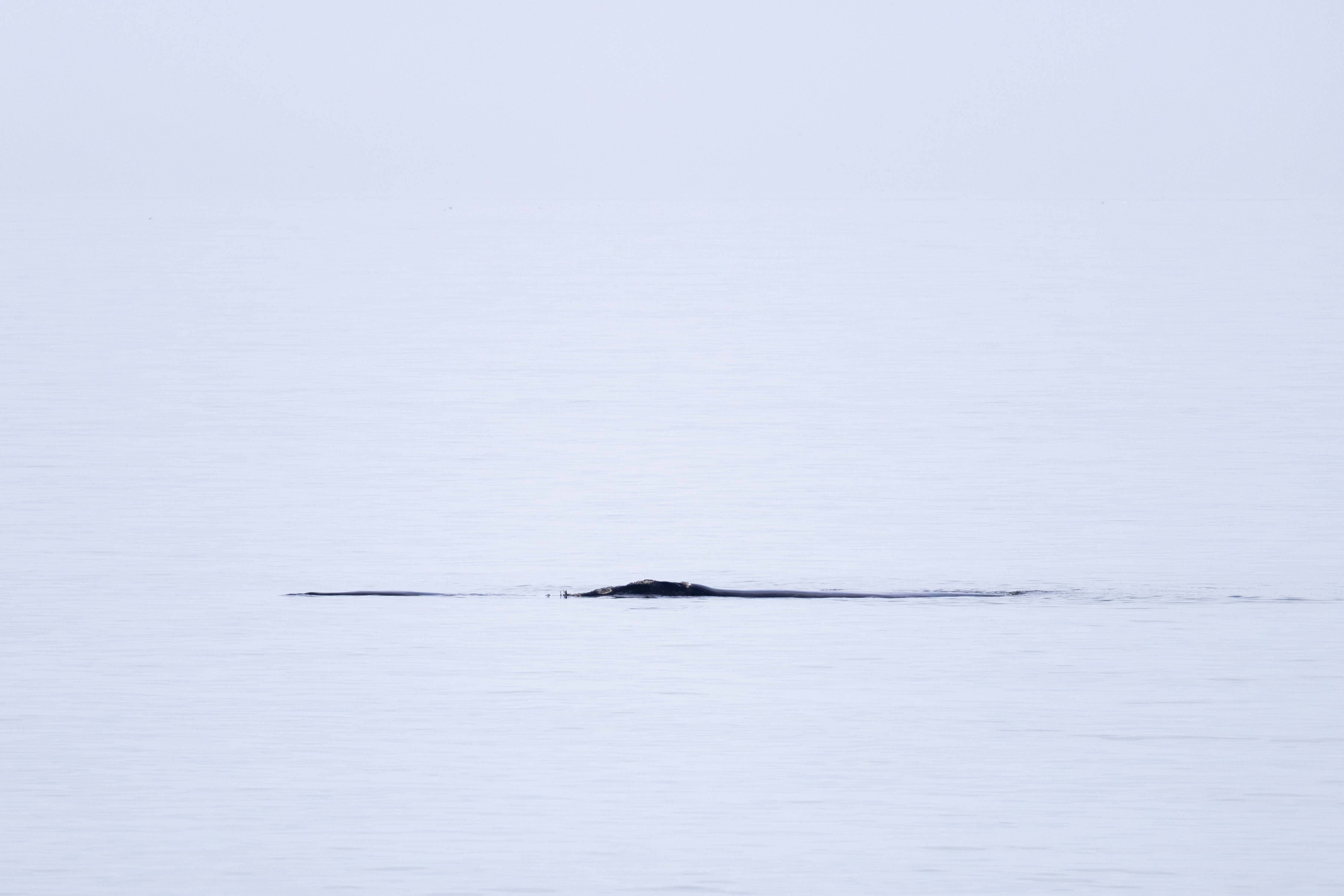
The North Atlantic right whale (Eubalaena glacialis) is one of the most endangered large whale species in the world, with fewer than 400 individuals remaining. They earned the name “right whale” because they were once considered the right whale to hunt—slow-moving, rich in blubber, and likely to float when killed. Today, their greatest threats are no longer whaling but ship strikes and entanglement in fishing gear, which continue to limit population recovery.
Each winter, pregnant females migrate from northern feeding grounds off New England and Canada to the calving grounds off the coasts of northeastern Florida and southeastern Georgia. These waters are relatively shallow, calm, and warmer—conditions that are safer for newborn calves that lack thick blubber and strong swimming ability. Calves are typically born between December and early March, and mothers remain in the region for several weeks while nursing and building the calf’s strength before beginning the long journey north. She seldom eats during this time because there is insufficient food available to her.

Because this region is so critical to the species’ survival, intensive survey programs operate from January through mid-March. Planes fly the coastline and nearshore waters to locate right whales, document mother–calf pairs, and photograph individuals for identification based on their unique callosity patterns. Ground teams search for whales from the shore. When spotted, drones or planes are brought in to identify the whales. When whales are sighted, their locations are rapidly shared with federal agencies, mariners, ports, and shipping interests so that vessel speed restrictions and routing advisories can be implemented to reduce the risk of collisions.
These seasonal surveys, combined with public awareness and compliance with slow-speed zones, play a vital role in protecting right whales during their most vulnerable life stage. Northeastern Florida and Georgia are not just winter destinations—they are essential nurseries whose protection directly influences whether this species can recover and persist into the future.
Momma right whales show only a small portion of their body as they lie in the water. They can be hard to spot. They do not jump up in the air like humpbacks or orcas. The baby whale may frolic in the water and expose its tail or flippers. Sometimes the momma whale will turn expose her large flippers. But, there is no dramatic whale display. There is just a momma right whale taking care of her newborn while it frolics and grows big enough to go back north in more food productive but colder waters.
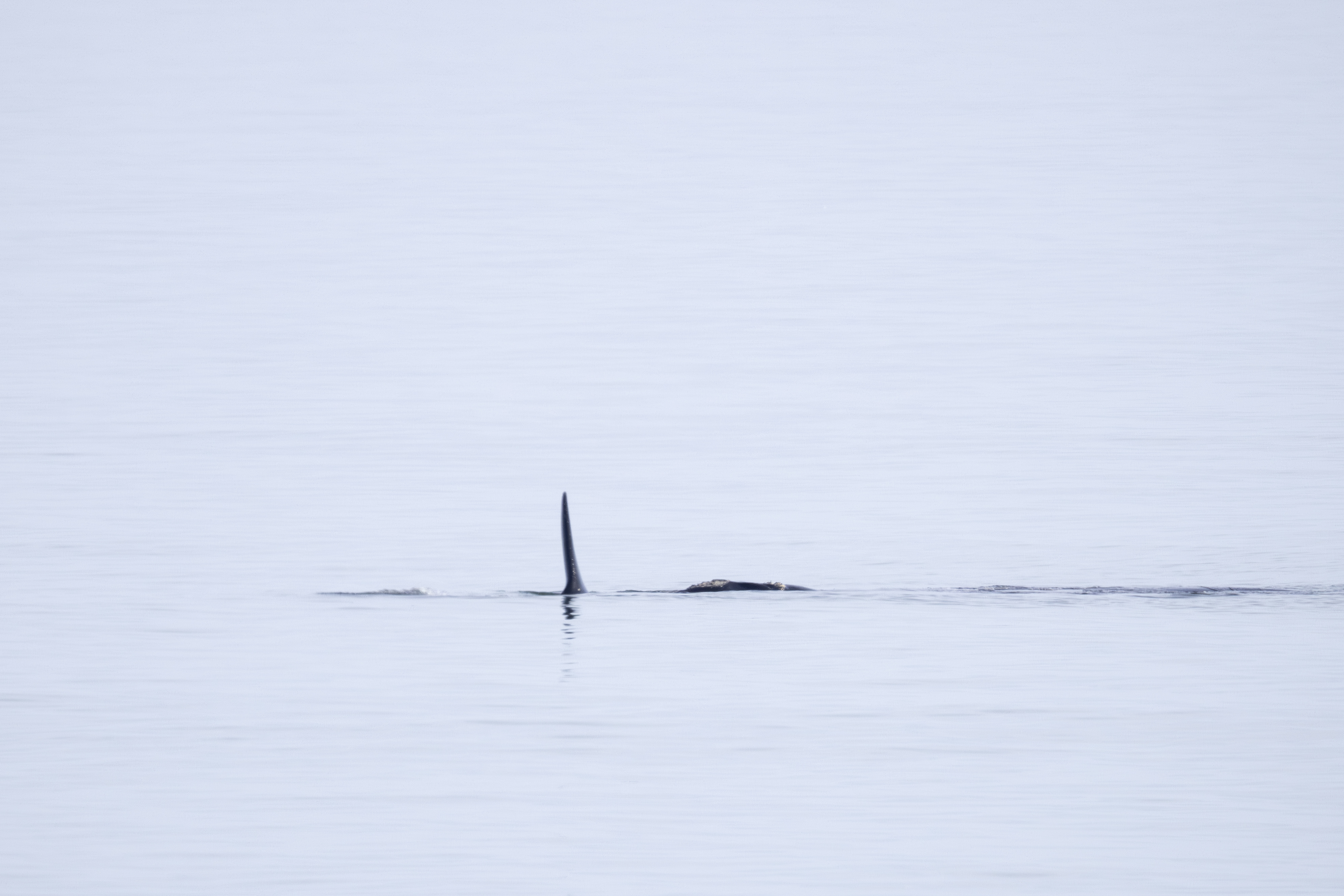

Right whales are identified by unique features called callosities. Callosities are rough, raised patches of thickened skin found on the heads of North Atlantic right whales. They begin forming before birth and develop primarily on the rostrum (upper jaw), around the blowholes, above the eyes, and along the lips and chin. The callosities themselves are dark gray or black, but they often appear white, cream, or yellowish because they are colonized by tiny whale lice (cyamids), which live only on whales and do not harm them.
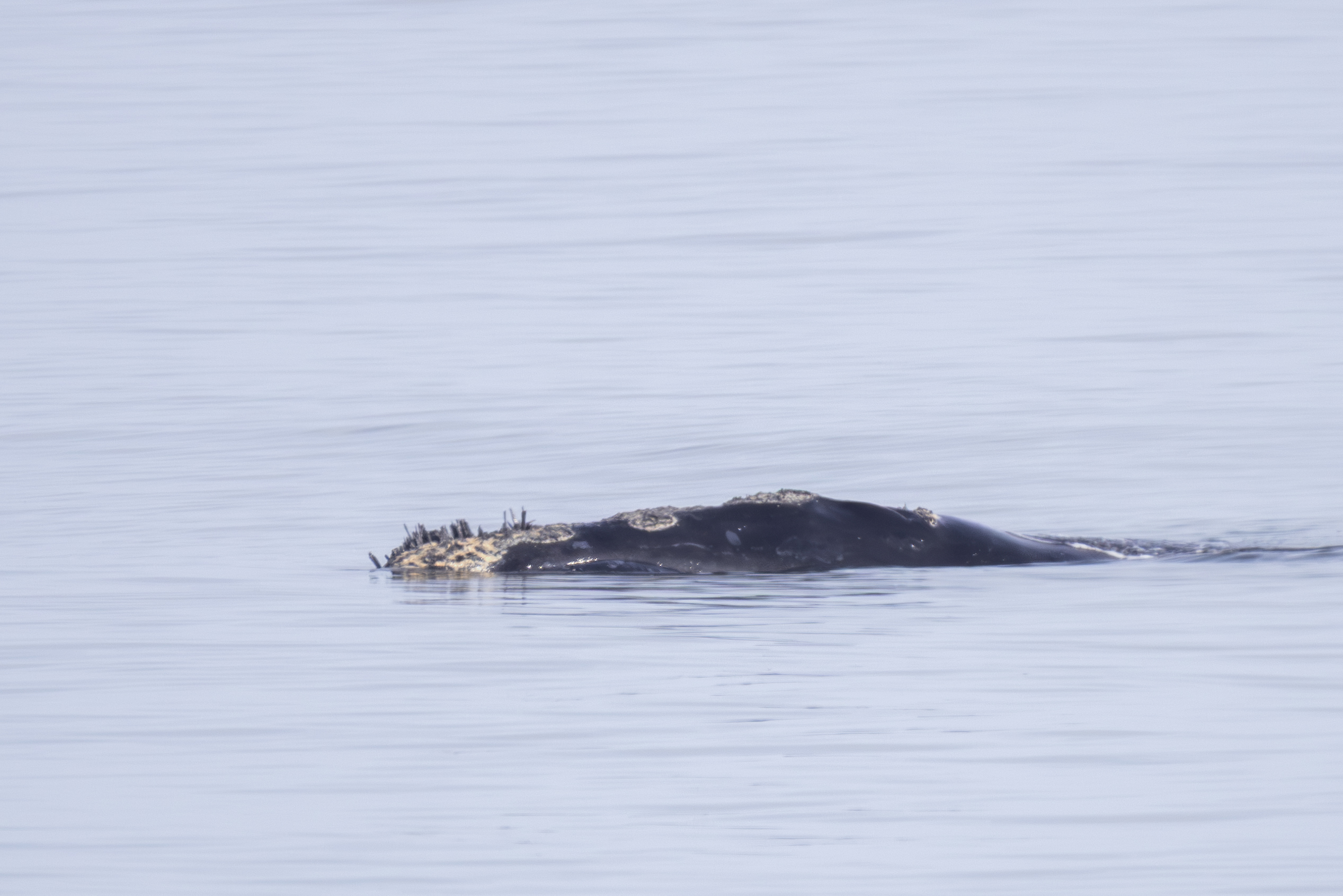
What makes callosities especially important is that their size, shape, and arrangement are unique to each individual whale, much like a human fingerprint. The overall pattern remains stable throughout a whale’s life, even as the whale grows. Because of this consistency, researchers use high-resolution photographs—often taken during aerial surveys—to identify individual whales, track mother–calf pairs, document movements, and build long-term life histories.
Callosity patterns are a cornerstone of right whale conservation science. By allowing scientists to recognize individuals without tagging or disturbing them, callosities make it possible to monitor survival, reproduction, and injuries over decades. This noninvasive identification method is one of the key tools used to understand population trends and to guide protections for this critically endangered species.
 Linda Burek Photography
Th
LikeLike
That’s really interesting Linda. Glad you got to spot the mommy and calf.Sent from my iPhone
LikeLiked by 1 person
Great information and interesting, as Nancee said. Thanks for sharing.
LikeLiked by 1 person