Wildlife in the Badlands

We entered the park before sunrise hoping to catch the first light. Once the sun was up, our attention shifted from the landscape to the wildlife. Every few minutes there was something new to discover.
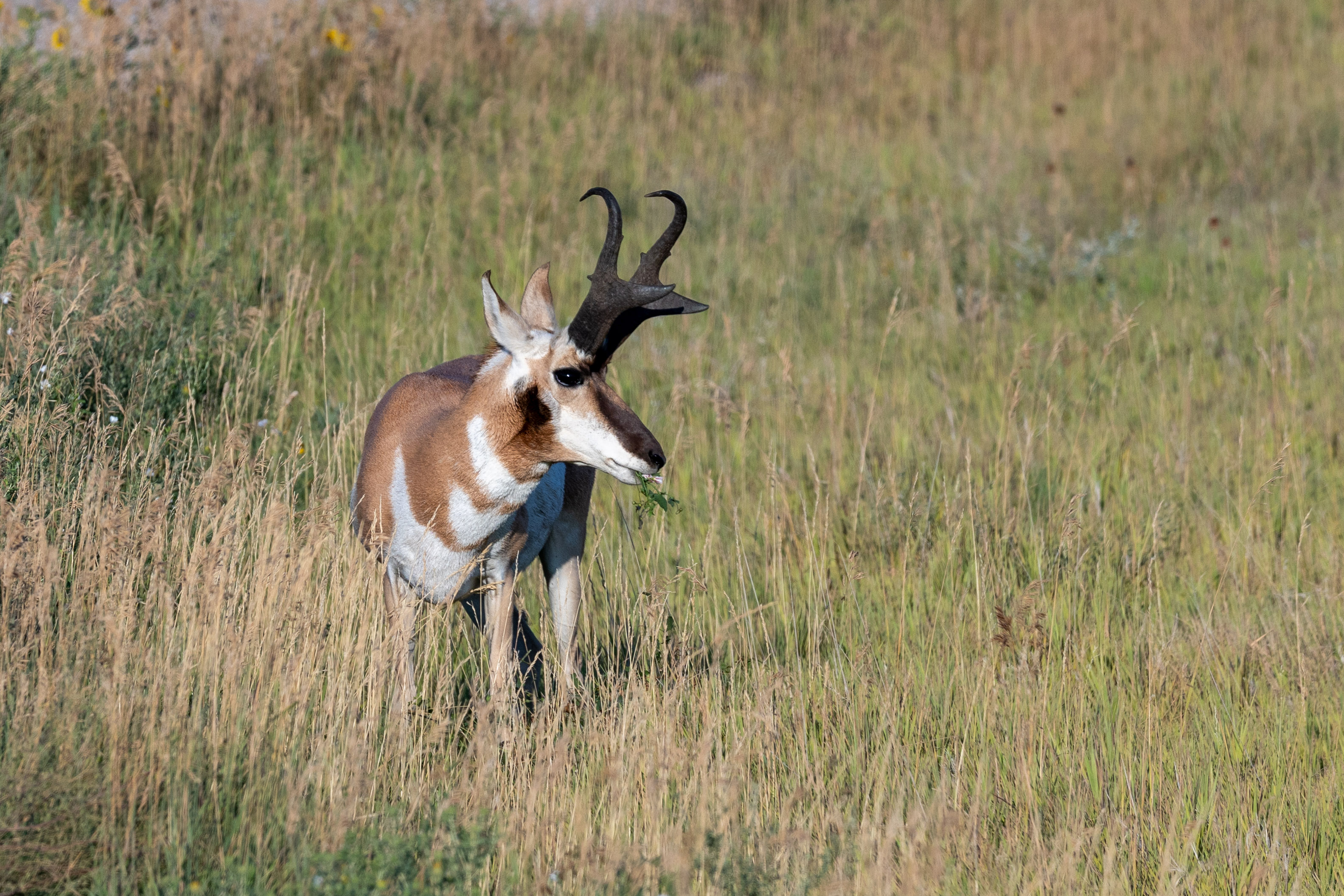
The pronghorns seemed to be everywhere. We saw a beautiful male with a big set of horns and my favorite was a mother with her two fawns. A pronghorn fawn can lie motionless for days while its mother feeds nearby. Its lack of scent helps keep predators from finding it. These fawns were clearly older.
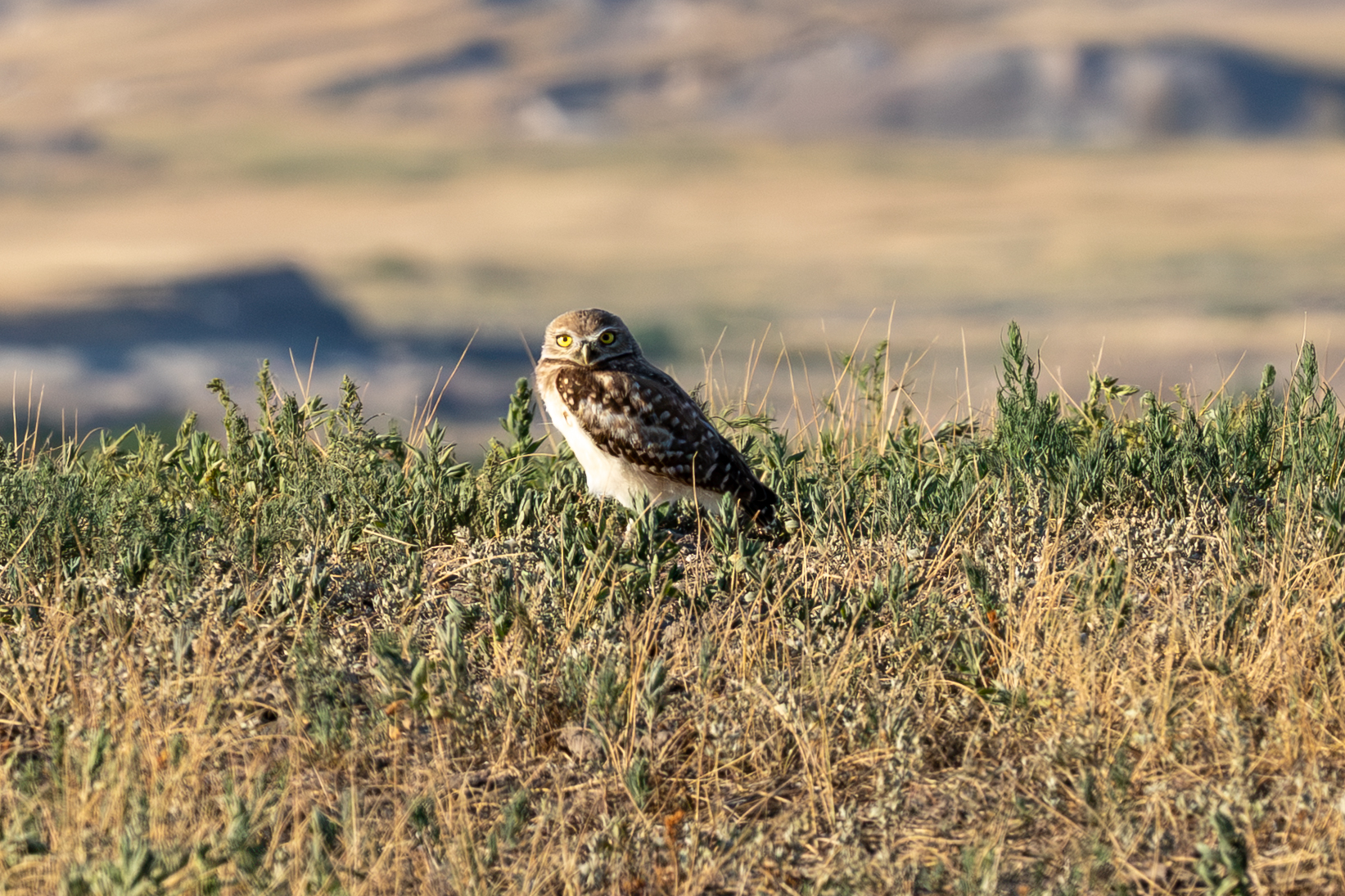
Prairie dog towns buzzed with activity. We know to look for burrowing owls in prairie dog towns. Burrowing owls are one of the few owl species that nest underground, often taking over abandoned prairie dog or ground squirrel burrows rather than digging their own. Regis spotted the first owls. Many of them were sleeping but I found at least one awake.
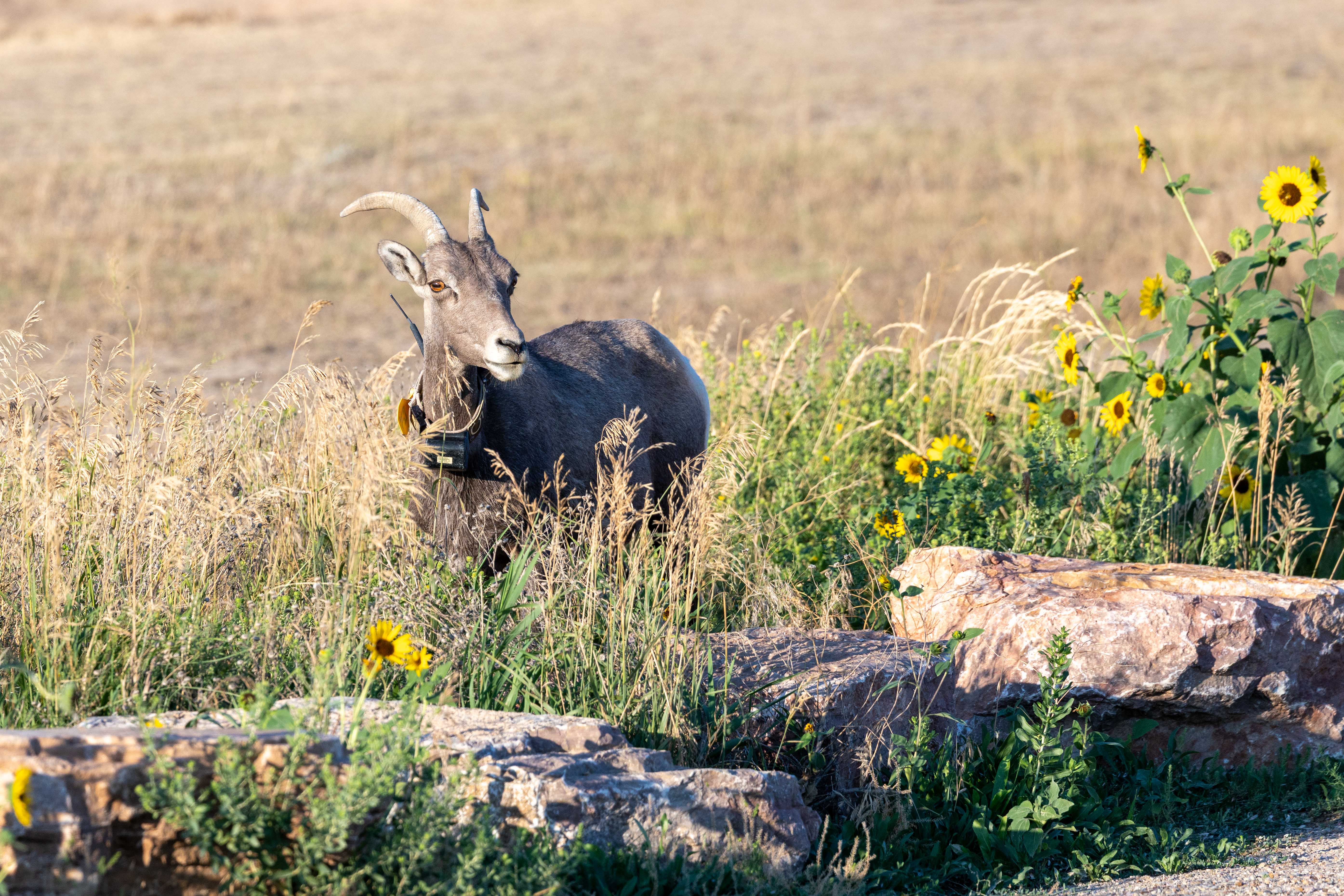
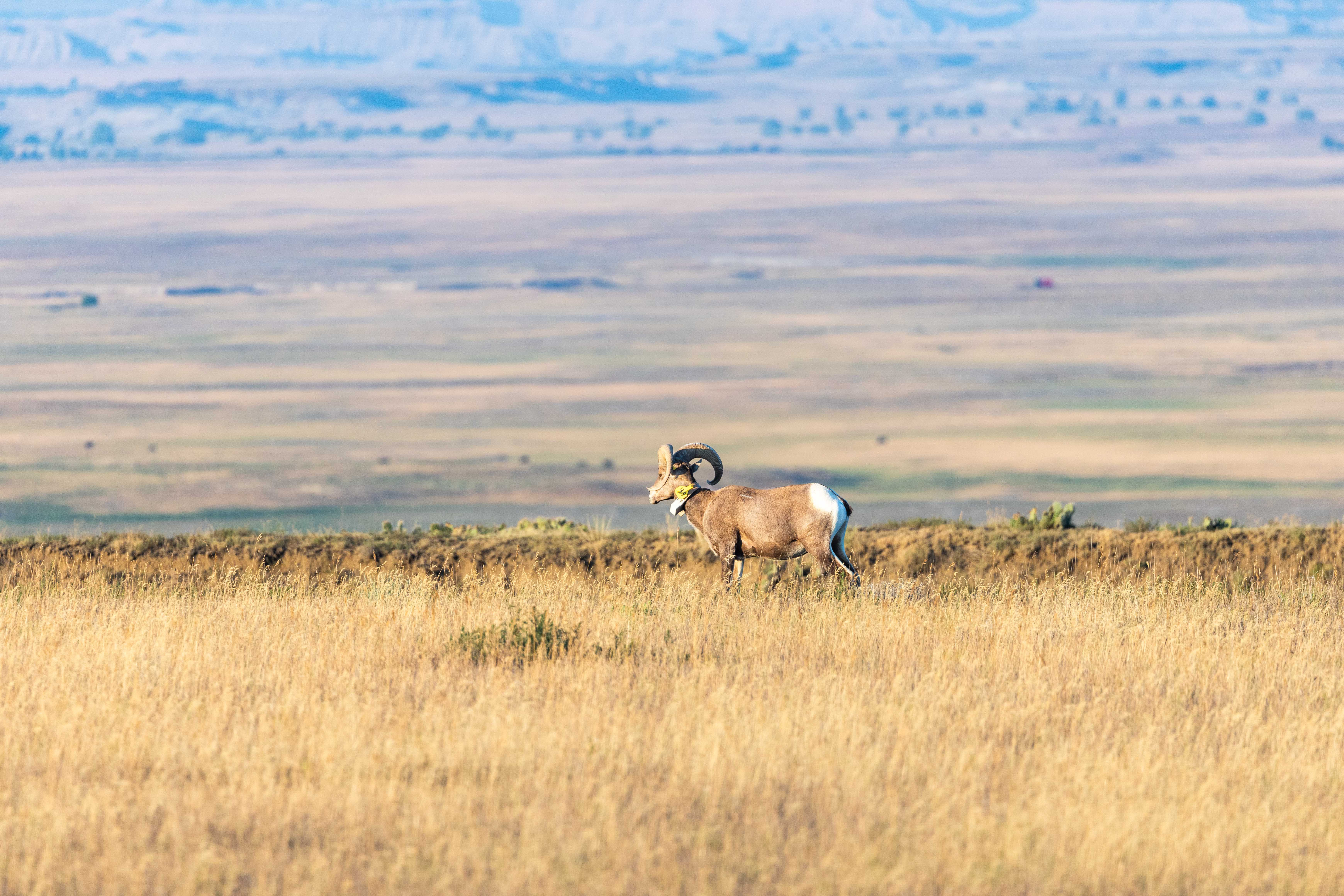
We stopped so I could take a picture of some sunflowers and a bighorn ewe unexpectedly wandered into the photograph. Regis yelled, “hey look, she’s photobombing your photo.” On most of our adventures, we rarely get to see older male bighorn sheep. Today we got lucky.
We saw several prairie rattlesnakes that had been hit on the road. One was so fresh that even its rattle was still moving in the breeze, making us do a double take. Prairie rattlesnakes don’t deliberately rattle at every threat. Remaining still and relying on camouflage is usually their first line of defense.

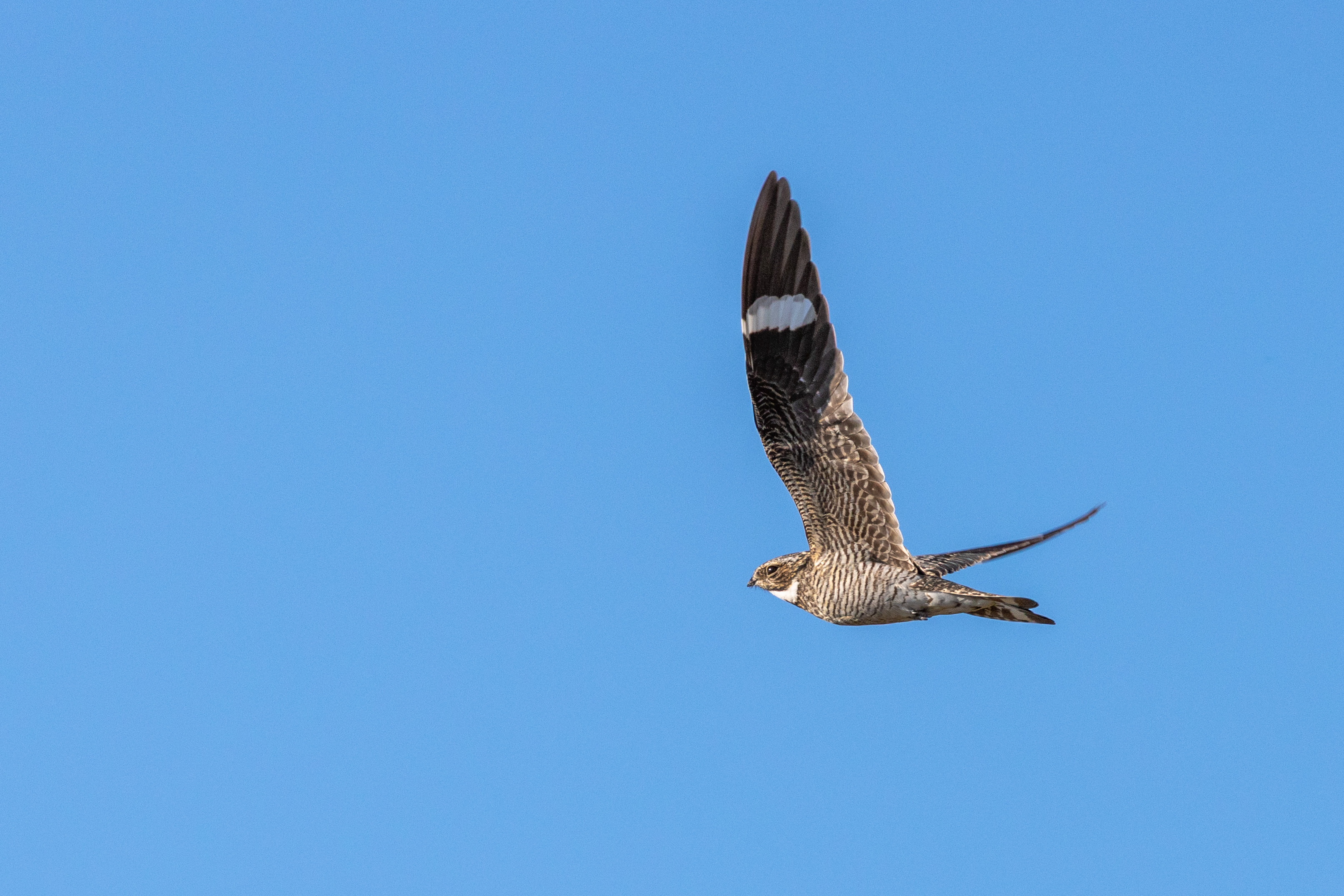
Just outside the park, five common nighthawks were flying in broad daylight. Despite their name, common nighthawks are not hawks. They are members of the nightjar family and spend much of their time catching flying insects on the wing. I have only ever seen one during the day.
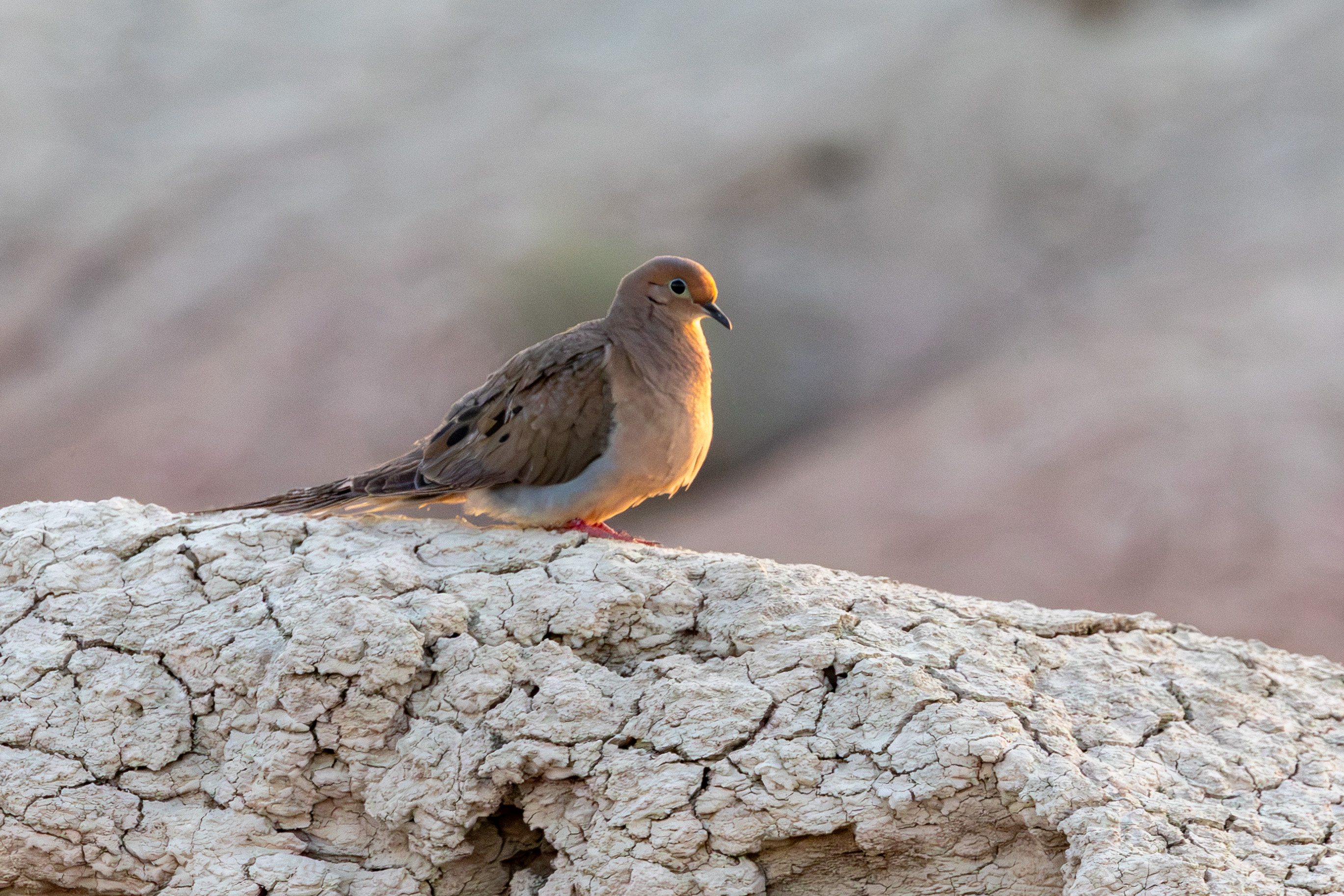
Mourning doves were everywhere and we flushed them regularly from the vegetation at the side of the road when we drove by. Mourning doves can drink by continuously sucking water into their mouths, something surprisingly few birds can do. Most birds have to tilt their heads back after each sip.
We also saw many young meadowlarks in the vegetation by the side of the road. I never saw them until they flushed when we got near. Young meadowlarks leave the nest before they are strong fliers and spend several weeks hidden in the grass while their parents continue feeding them which is probably why I never saw them until they moved.

 Linda Burek Photography
great pictures
LikeLike
Beautiful pictures.
LikeLike