Sled Dogs
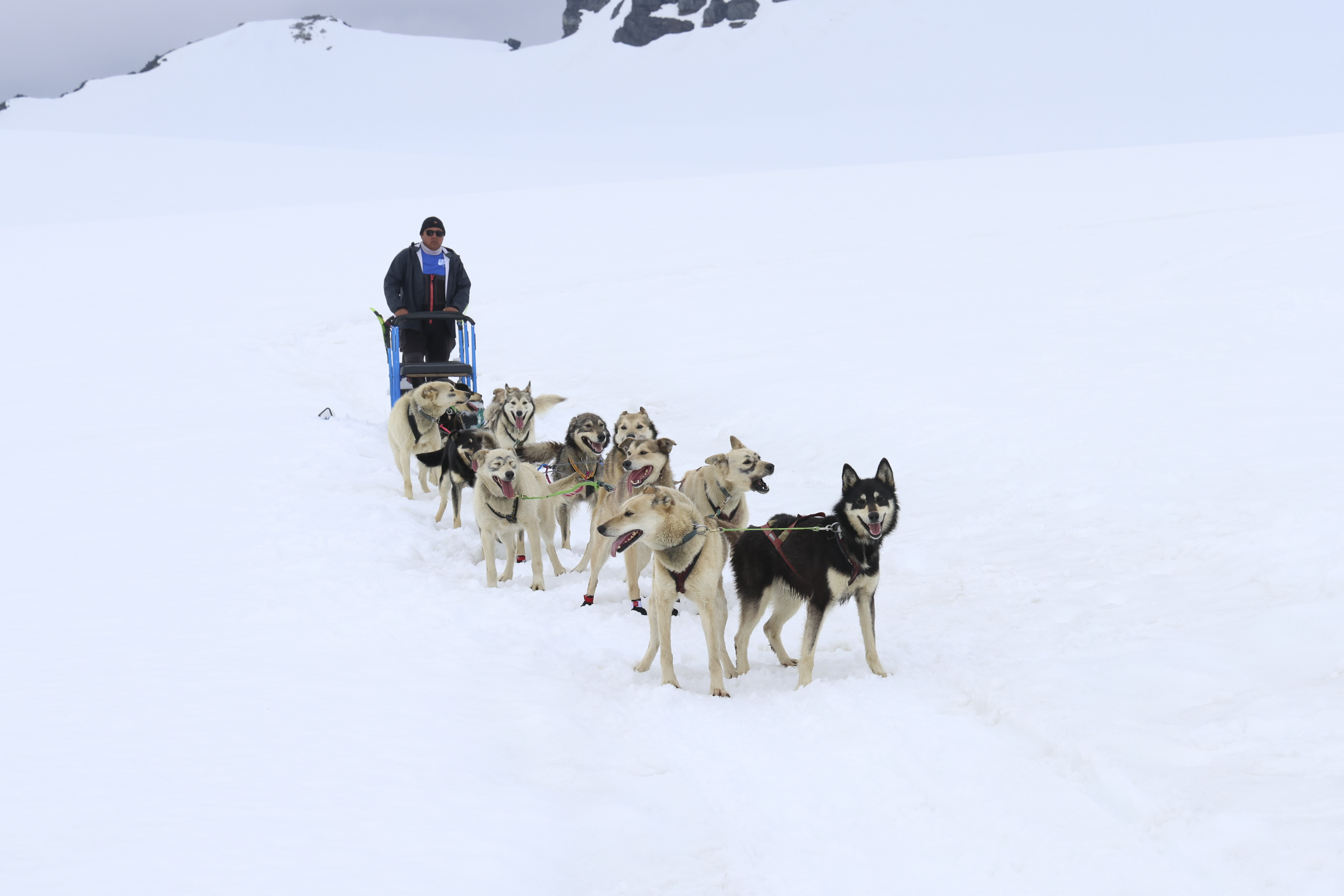
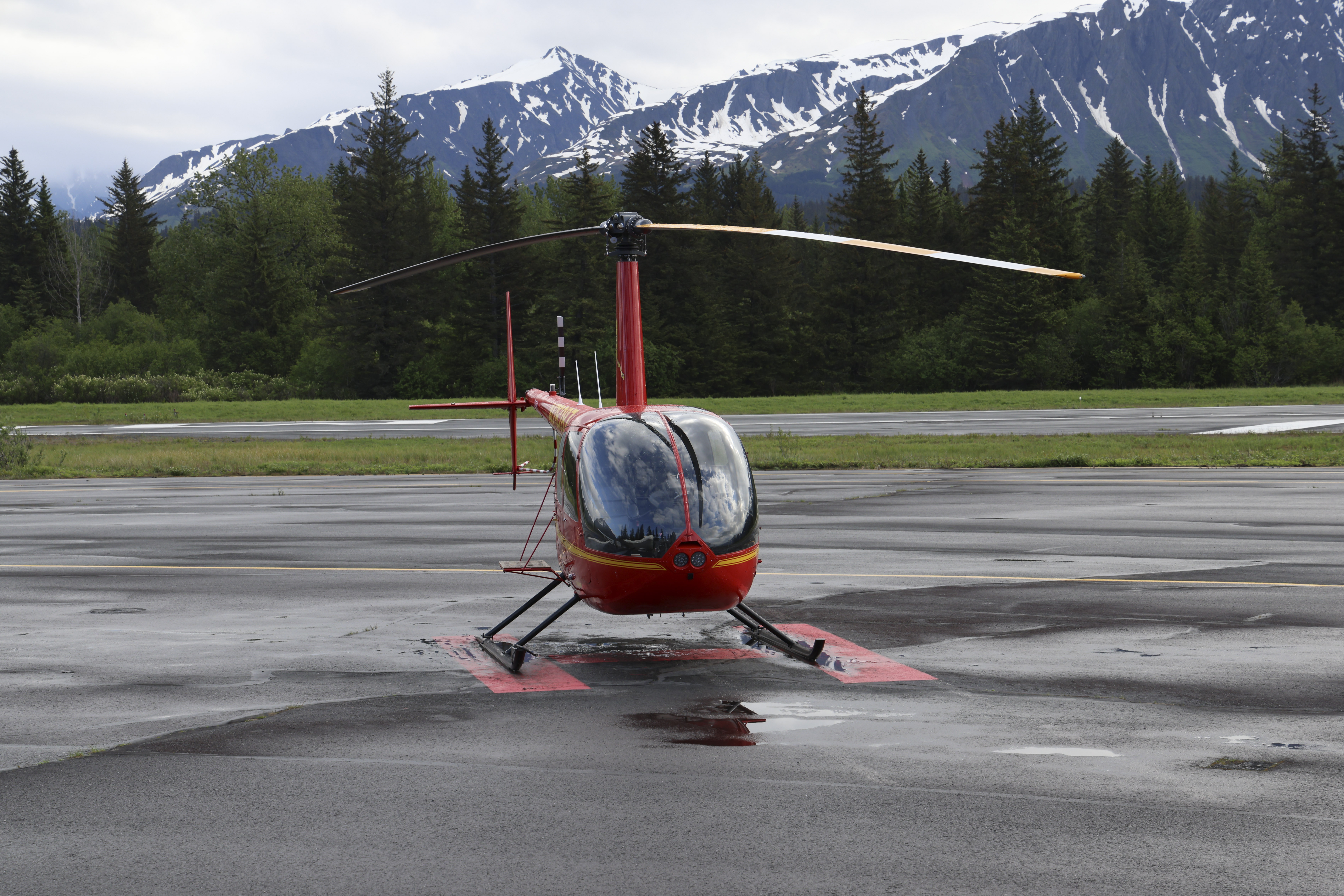
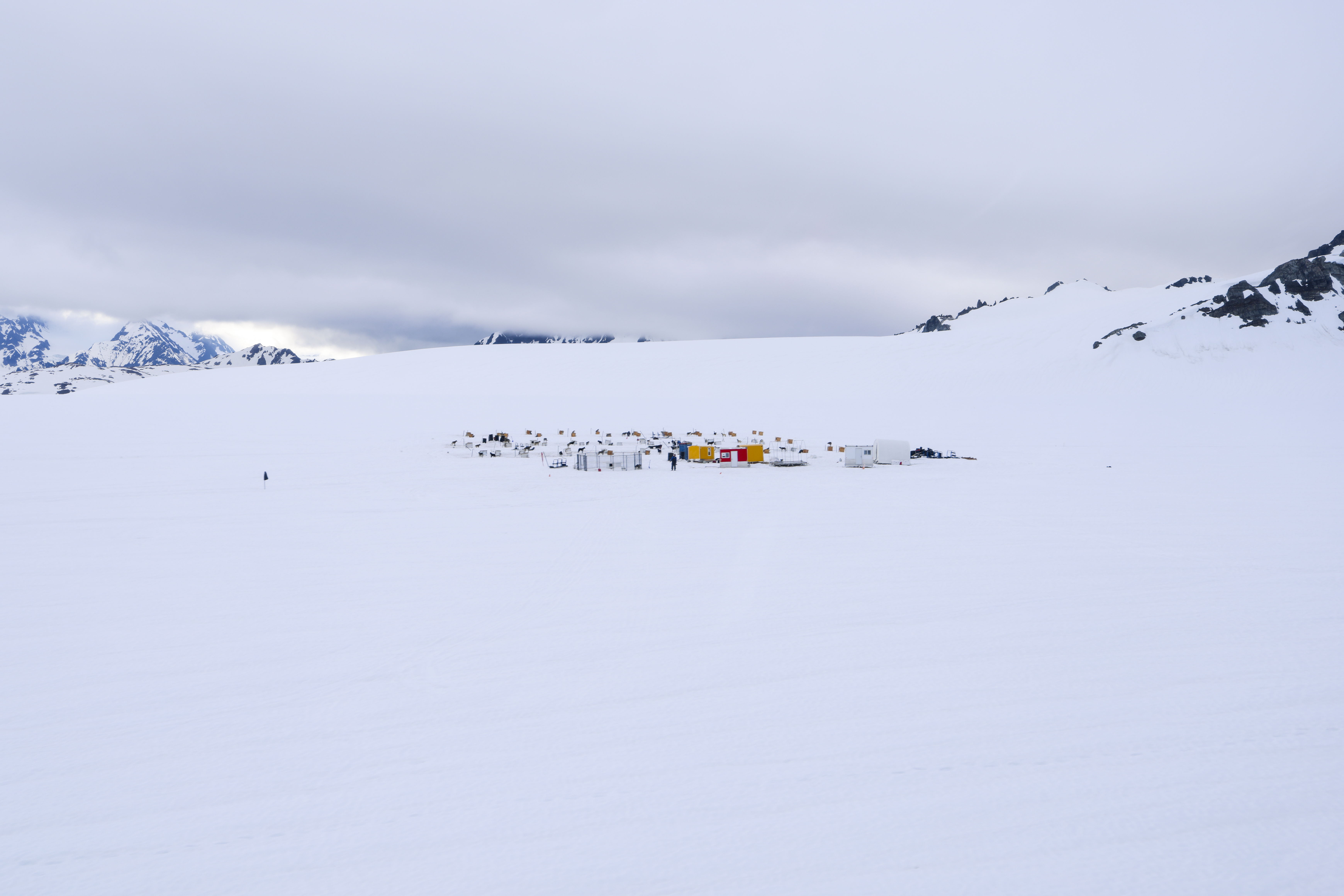
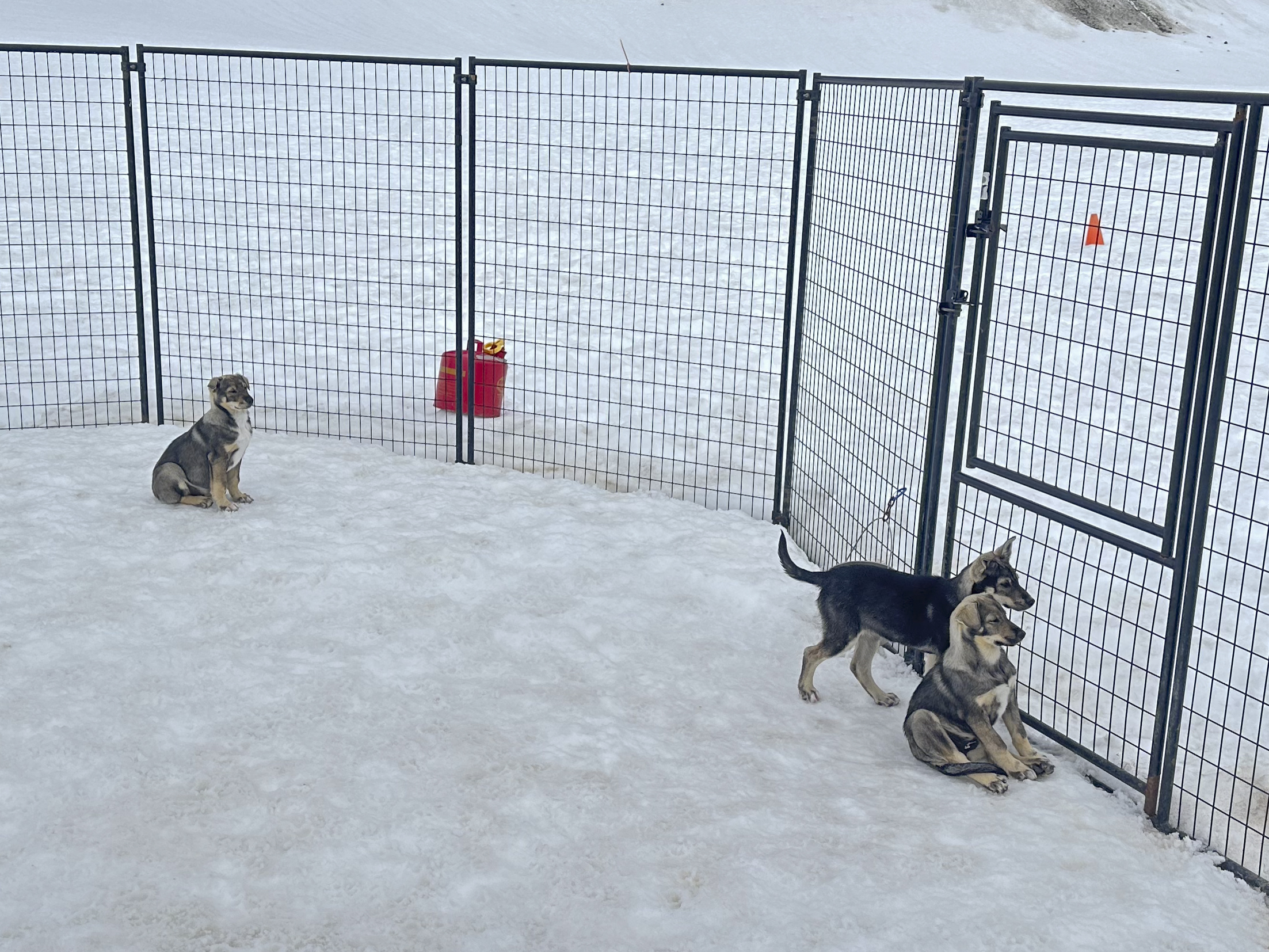
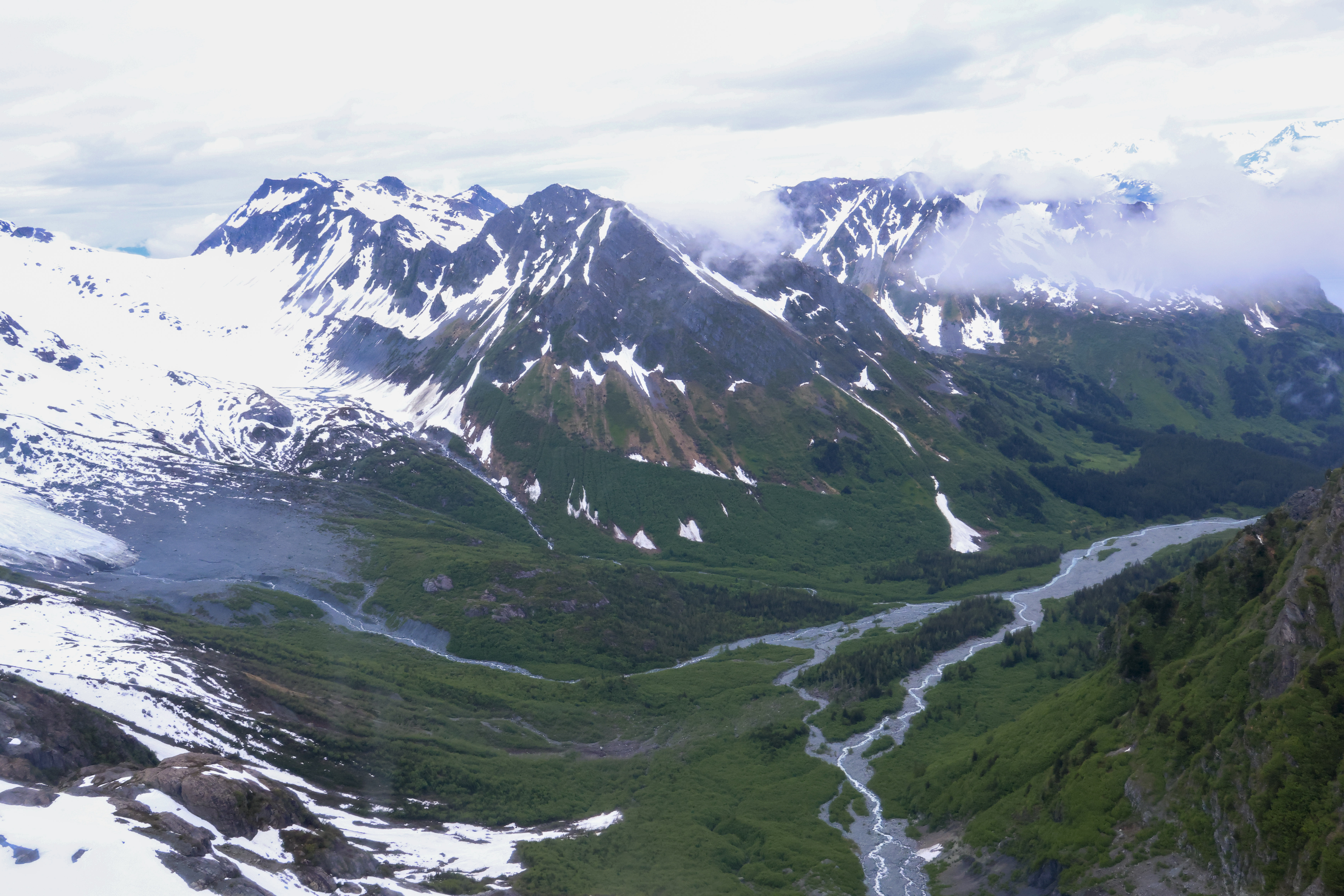
Of all the experiences during our Magic of Alaska workshop, one of the most memorable was landing by helicopter on a glacier to meet teams of sled dogs. This was the third full day of our workshop. As a dog lover, I knew photography was going to take second place that day. Because much of Alaska has little or no snow during the summer, many sled dog kennels move their teams onto glaciers where they can continue training on snow year-round to keep the sled dogs in condition for racing and other winter mushing activities, including the Iditarod for some teams. The helicopter ride made for amazing views of the scenery. Once we arrived at the camp, I was enthralled with the dogs. Most Iditarod dogs are a mixed breed developed for endurance, speed, intelligence, and an incredible desire to run. I started with the puppies and could not take pictures because I was too interested in the dogs.
The dogs were hooked up in the sleds waiting for us. As soon as they were harnessed, the dogs bounced in their traces, barking nonstop with excitement. They wanted to run. The energy reminded me of a carousel horse frozen in place—constantly lunging forward without moving an inch. The moment the sled started, the barking stopped. Now they had a job to do.
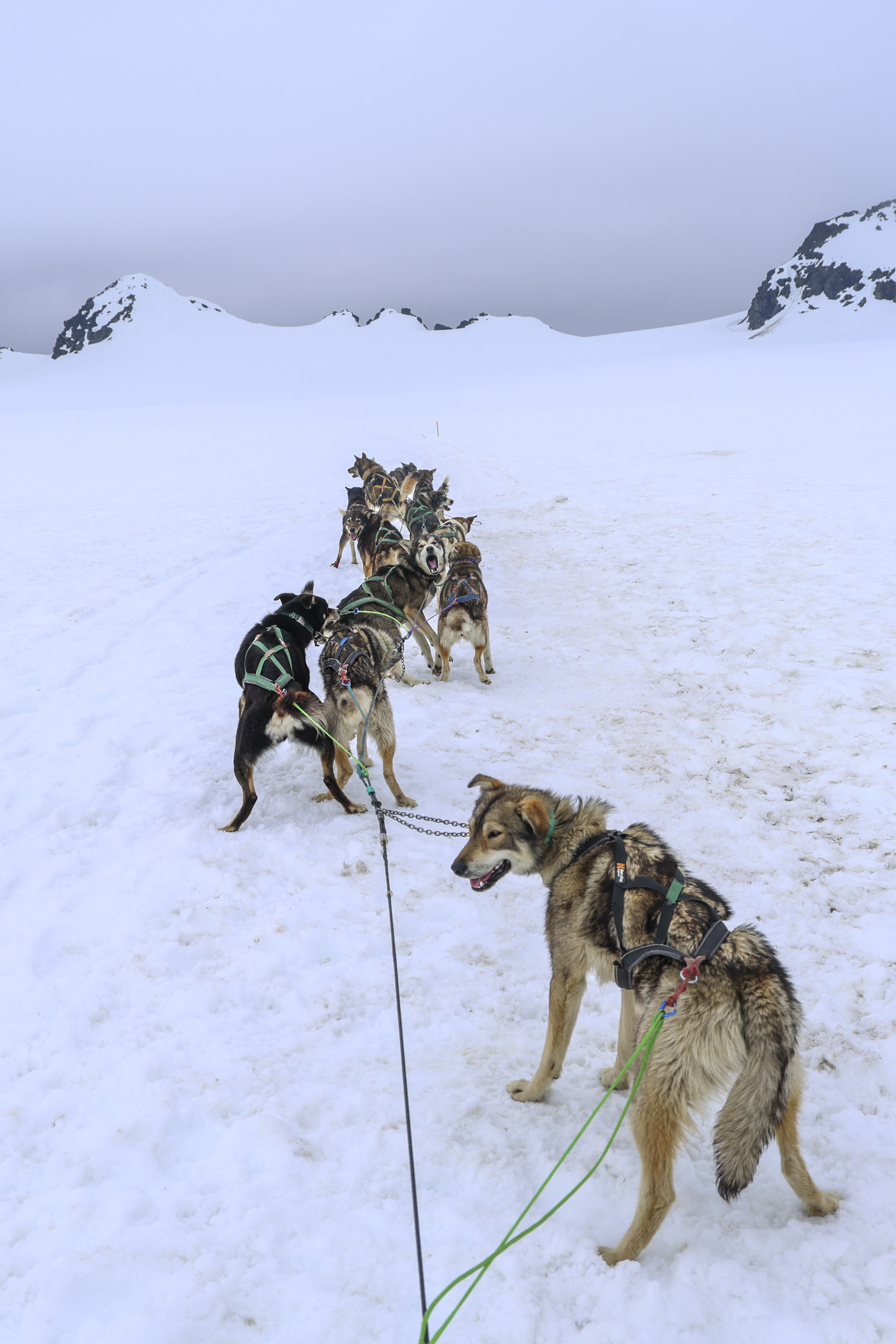
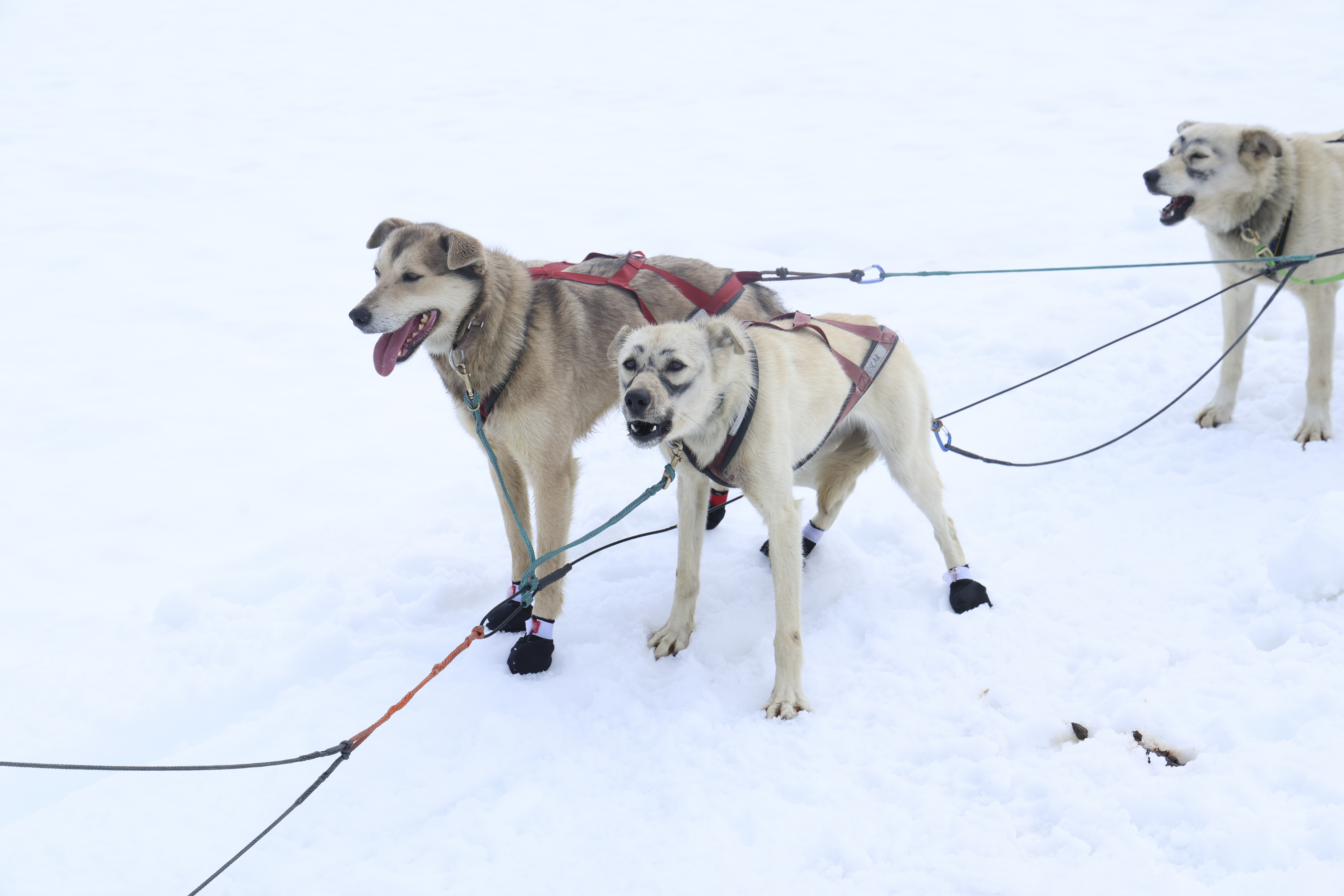
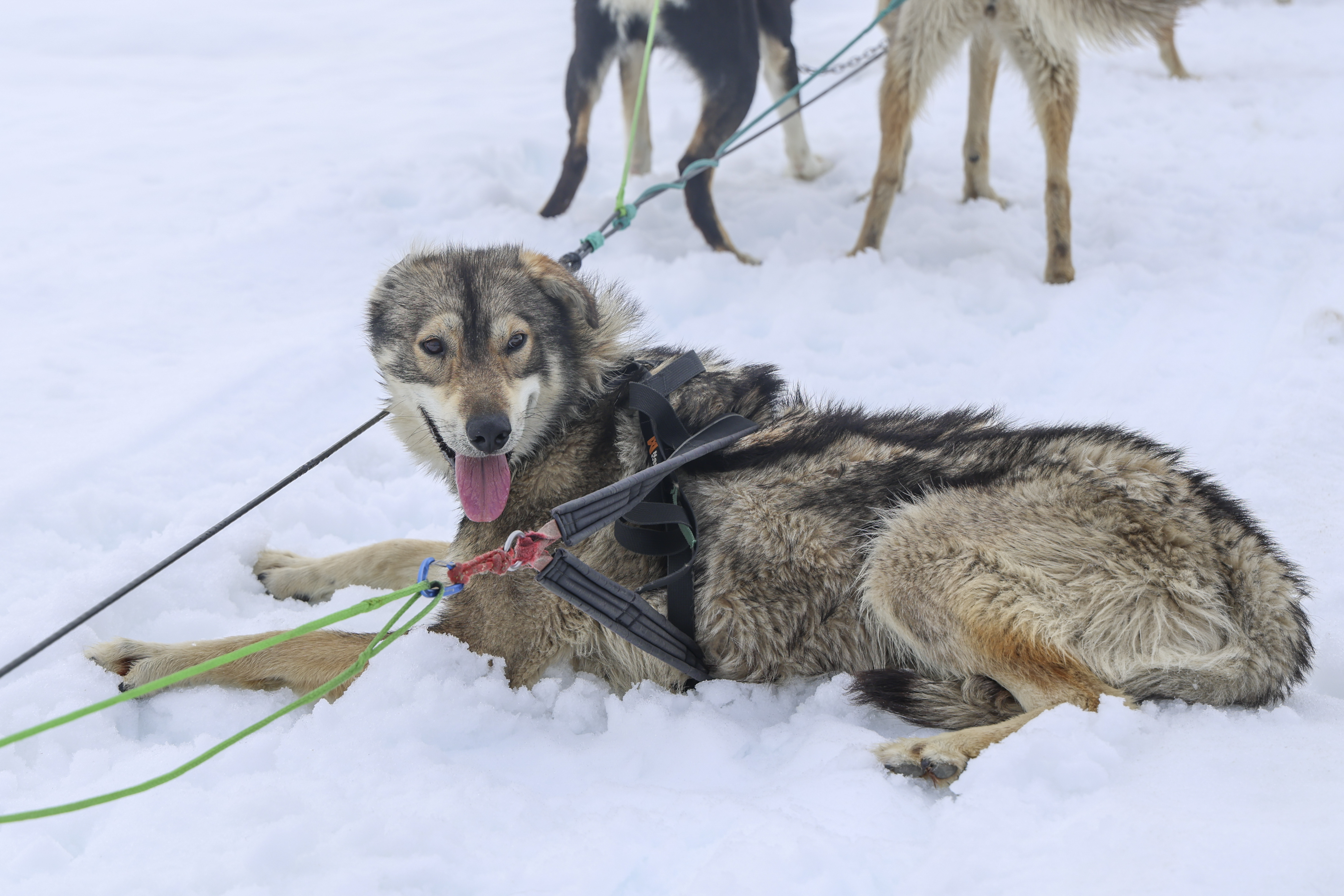
Several of the lighter-colored dogs had black markings beneath their eyes—almost like football players wearing eye black—to help reduce glare reflecting off the snow. On my first sled ride, the last dog on the line was a 10 month old learning to run the sled. The youngster often took advantage of every stop by flopping down in the snow for a quick rest before eagerly jumping back up when it was time to run again. Watching this future athlete learn the ropes was adorable.
On my second ride, I learned I was riding behind the kennel’s Iditarod team. The musher couldn’t have been prouder of his dogs. Throughout the ride he talked about his lead dogs, especially the female, Raita and her partner Malcolm. It was obvious these weren’t simply working dogs—they were trusted teammates.
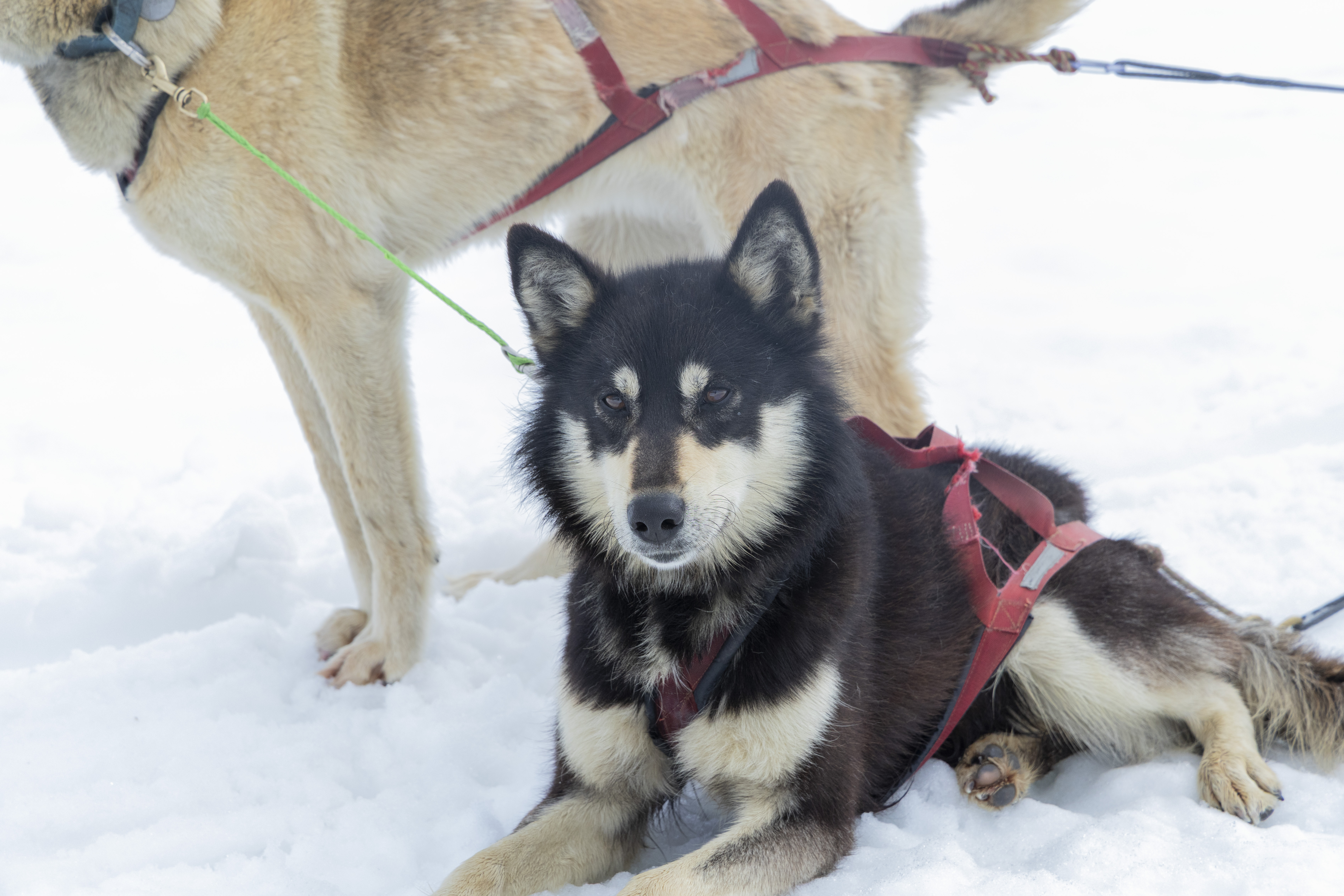
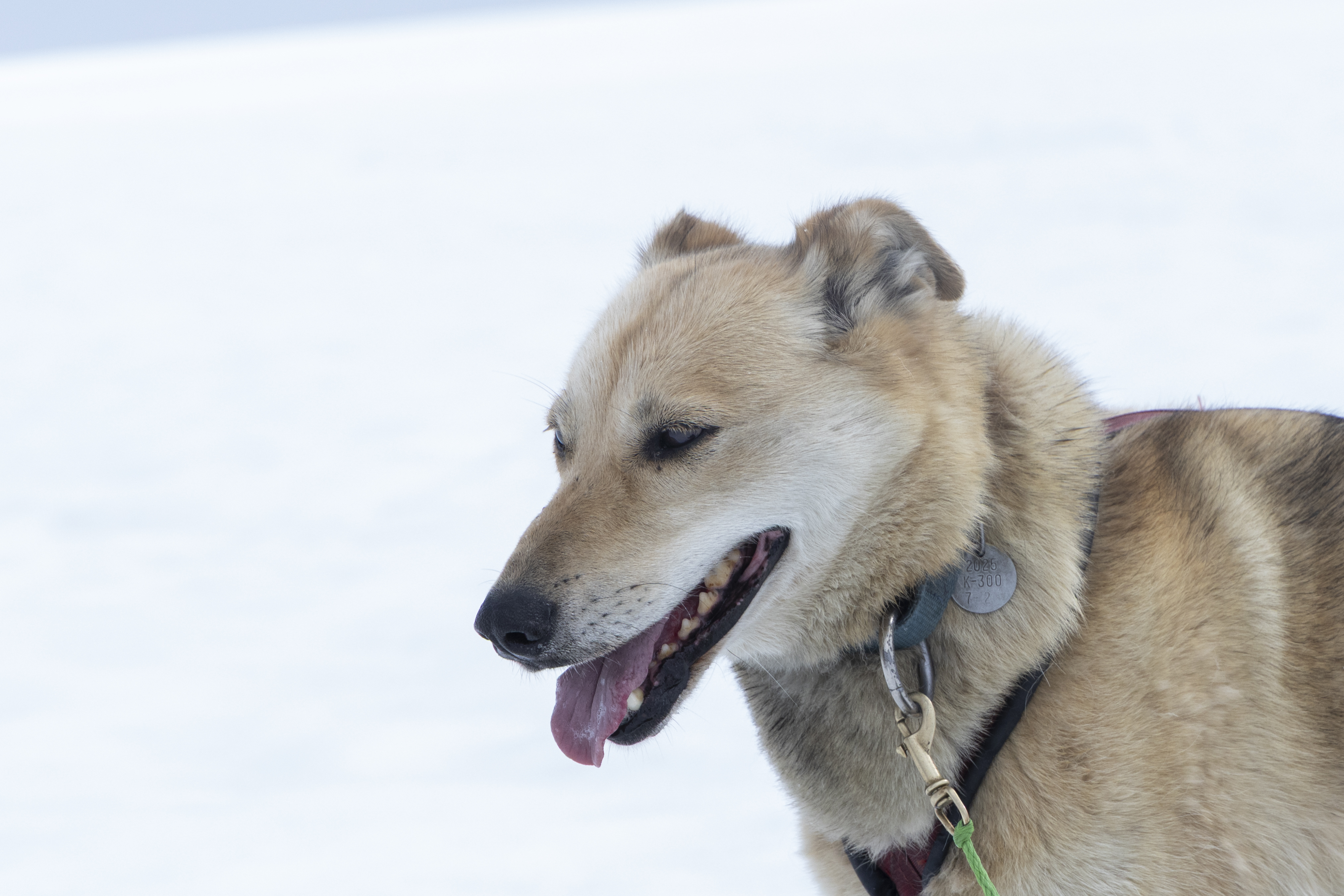
After the rides, I wandered through the camp greeting as many dogs as I could. Every time I stopped to pet one, a neighboring dog would enthusiastically try to recruit me for a visit. I managed to greet six of them before running out of time, but there were nearly a hundred dogs in camp. I could have happily spent the rest of the day meeting every one of them. Their enthusiasm was contagious, and for once, I completely forgot about taking photographs.
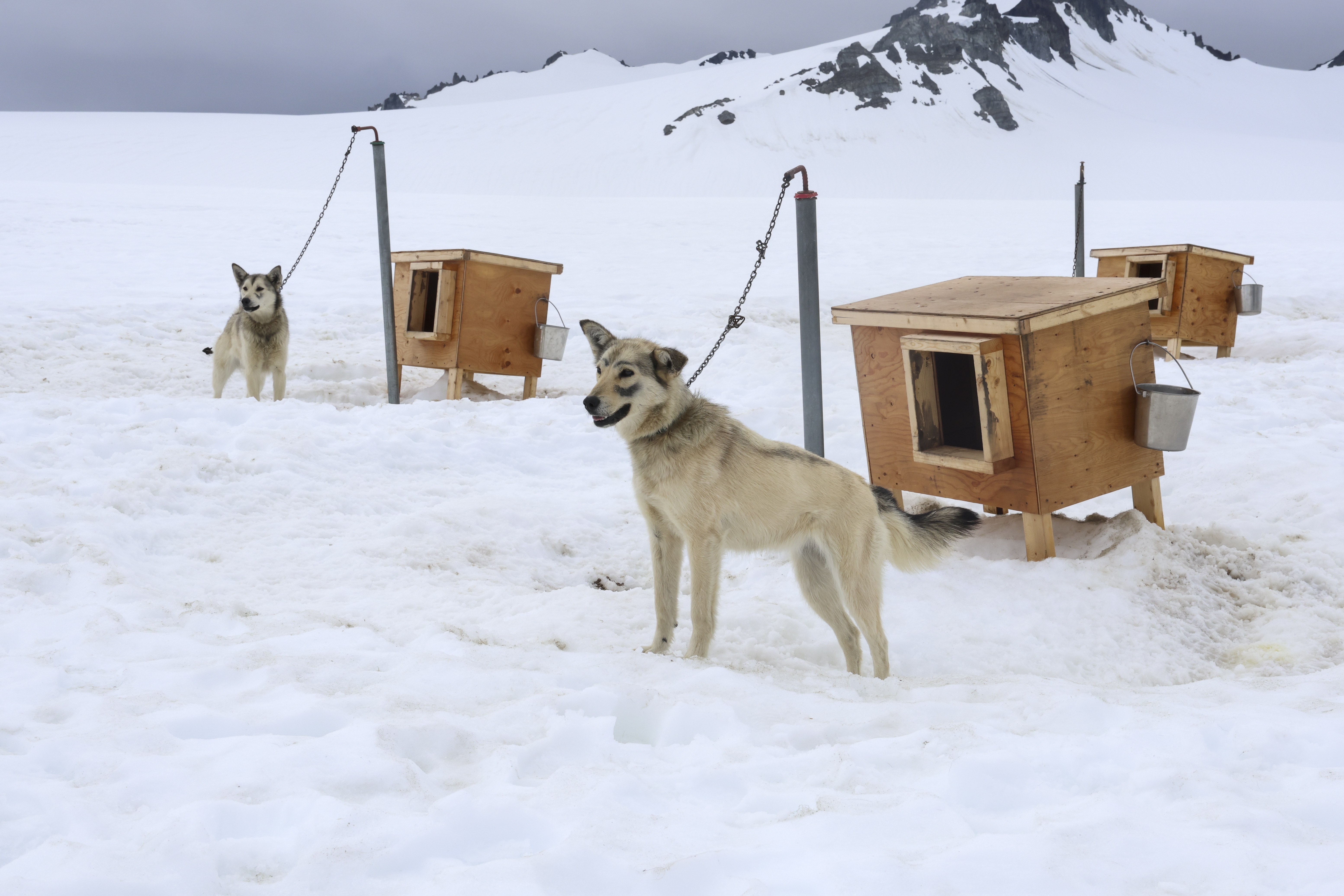
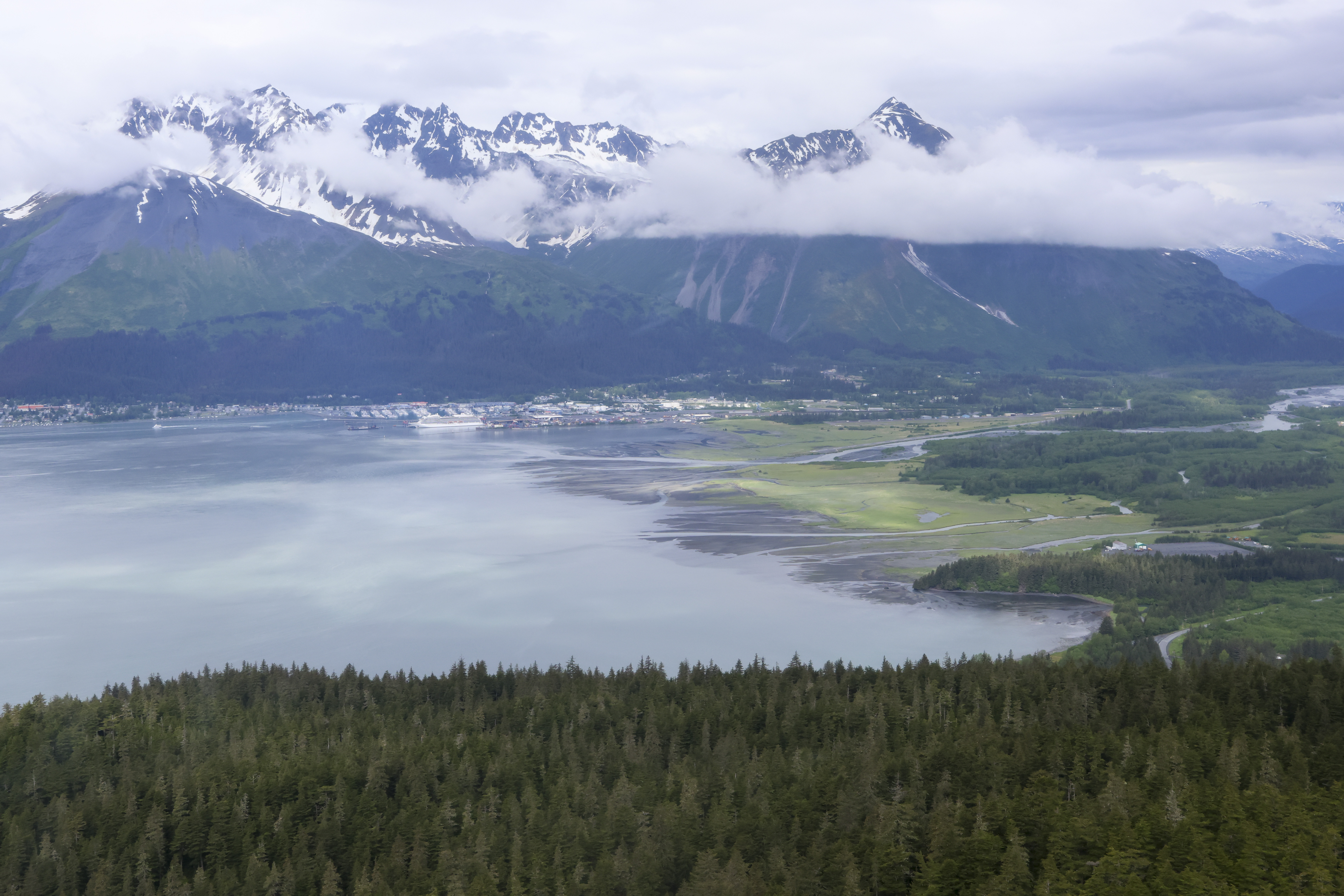
The helicopter ride back offered spectacular views of Resurrection Bay and Seward below. I kept scanning the calm water for whales, but none appeared. It didn’t matter. I was still smiling from spending the morning with some of the happiest working dogs I’ve ever met.
Toward the end of the video below, a helicopter is carrying a barrel away from the camp. The barrel is full of dog poop. The camps are required to keep the glacier clean.
 Linda Burek Photography
All i can say is, wow! Beautiful!! No words.
LikeLiked by 1 person